Heritage meets
Enduring style principles
Sartorial excellence through traditional tailoring
A garment’s construction reveals its lineage. Master tailors manipulate premium wool and silk, ensuring fabric drapes naturally. This attention to structural detail separates disposable fashion from pieces withstanding decades. Investing in heirloom quality creates a wardrobe transcending seasonal obsolescence.

Textile selection mastery
Natural fibers like cashmere and linen offer superior breathability and resilience, aging gracefully while synthetic alternatives degrade and lose their structural integrity over time.

Hand-stitched finish
The lapel roll and buttonhole reinforcement require skilled manual dexterity, adding durability and a subtle signature of luxury craftsmanship.


Bespoke pattern cutting
Drafting a unique pattern from individual measurements ensures unrestricted movement and comfort, eliminating constraints common in ready-to-wear clothing.

Silhouette and proportion
Balancing shoulder width with the waistline creates visual harmony, often adhering to the golden ratio principle applied to human anatomy.
Artisanal construction methods
Symphonic complexity and acoustic resonance
Orchestral compositions rely on a mathematical balance of frequencies. In a concert hall or private study, room acoustics determine the performance’s emotional impact. Sound waves resonate within the architecture.
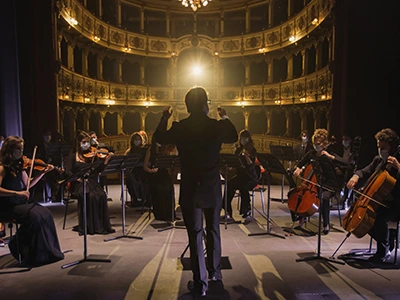
Orchestral arrangement dynamics
Composers layer string, woodwind, and brass sections to build tension, releasing it through purposeful harmonic resolution that engages the listener’s intellect and emotions.
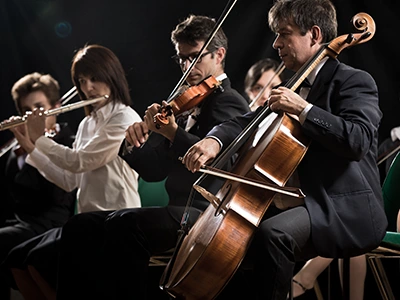
Chamber music intimacy
Smaller ensembles reveal raw emotion, requiring perfect synchronization and subtle non-verbal cues between musicians during a live performance.
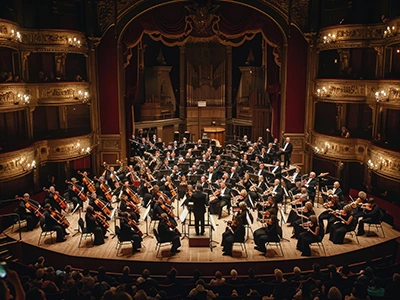
Acoustic space design
Architectural choices, from wood paneling to ceiling height, sculpt sound waves, transforming a melody into an immersive acoustic experience.
Auditory harmonic balance
Preserving cultural narratives through art
Galleries and museums act as custodians of human history. Analyzing a Renaissance painting or marble sculpture provides insight into the socio-cultural values and techniques of past civilizations. Thoughtful curation bridges eras.
Curatorial selection process

Experts evaluate an object’s provenance and historical significance before acquiring pieces for a permanent collection and public display.
Restoration of artifacts

Art conservation techniques like stabilizing pigments and repairing canvas tears extend the lifespan of fragile masterpieces.
Gallery lighting techniques
Strategic directional illumination highlights texture without damaging sensitive materials through excessive UV and heat exposure.
Visual heritage conservation
Foundations of Cultural Heritage
Understanding lineage provides context for contemporary decisions. Primary source analysis of archives, manuscripts, and blueprints reveals the evolution of aesthetics, guiding modern architects and designers.
Primary Source Analysis
Cultivating a classical daily lifestyle
Refinement extends beyond objects to behavior and environment. The arrangement of a room or the art of dining reflects a deliberate approach to living. Intentionality elevates routine interactions.

Interior spatial harmony
Strategic furniture placement directs flow and conversation, utilizing symmetry to create a calming, balanced atmosphere.

Culinary presentation arts
Refined plating techniques transform ingredients into visual compositions, enhancing the gastronomic experience through deliberate aesthetics.

Social etiquette protocols
Mastering traditional social graces facilitates smoother interactions, showing consideration for guests and hosts alike.

Integrating tradition into modern spaces
Contemporary minimalism often borrows from classical proportions. Integrating antiques with modern technology creates a layered aesthetic, historically rooted and functionally current. Design evolves through thoughtful adaptation.
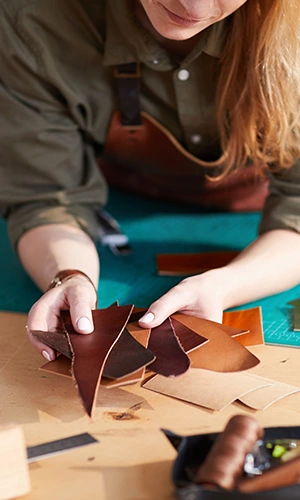
Adaptive Reuse Strategies
Mastery of artisanal craftsmanship techniques
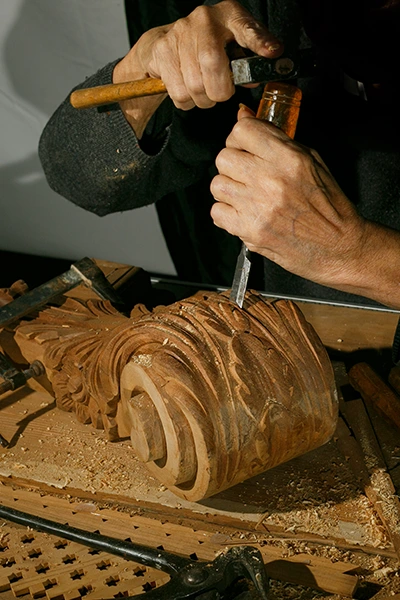
True quality requires patience. The artisan spends years perfecting a single gesture—carving wood or tuning an instrument—ensuring the final creation is flawless. This dedication ensures longevity.